Mathiveri
Mathiveri Maldives is a small, low-key local island in Alif Alif Atoll — better known to travelers as North Ari Atoll — around 85 km west of Malé. It's one of the quieter local-island options in the Maldives' budget-travel scene: a working fishing village of fewer than a thousand residents, a short walkable footprint, a handful of guesthouses, and a free public sandbank just offshore, without the crowds or name recognition of islands like Maafushi or Dhigurah.
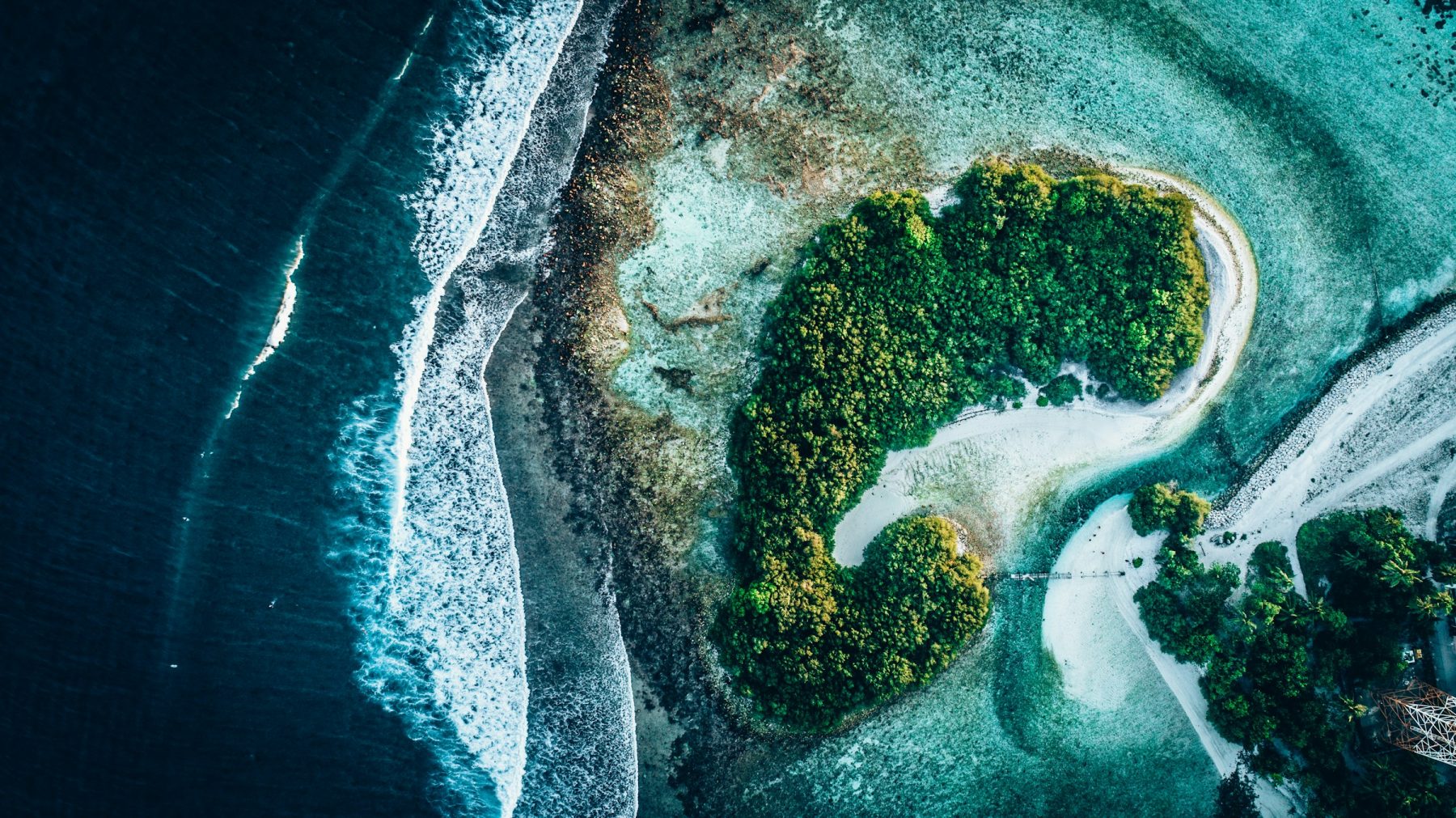
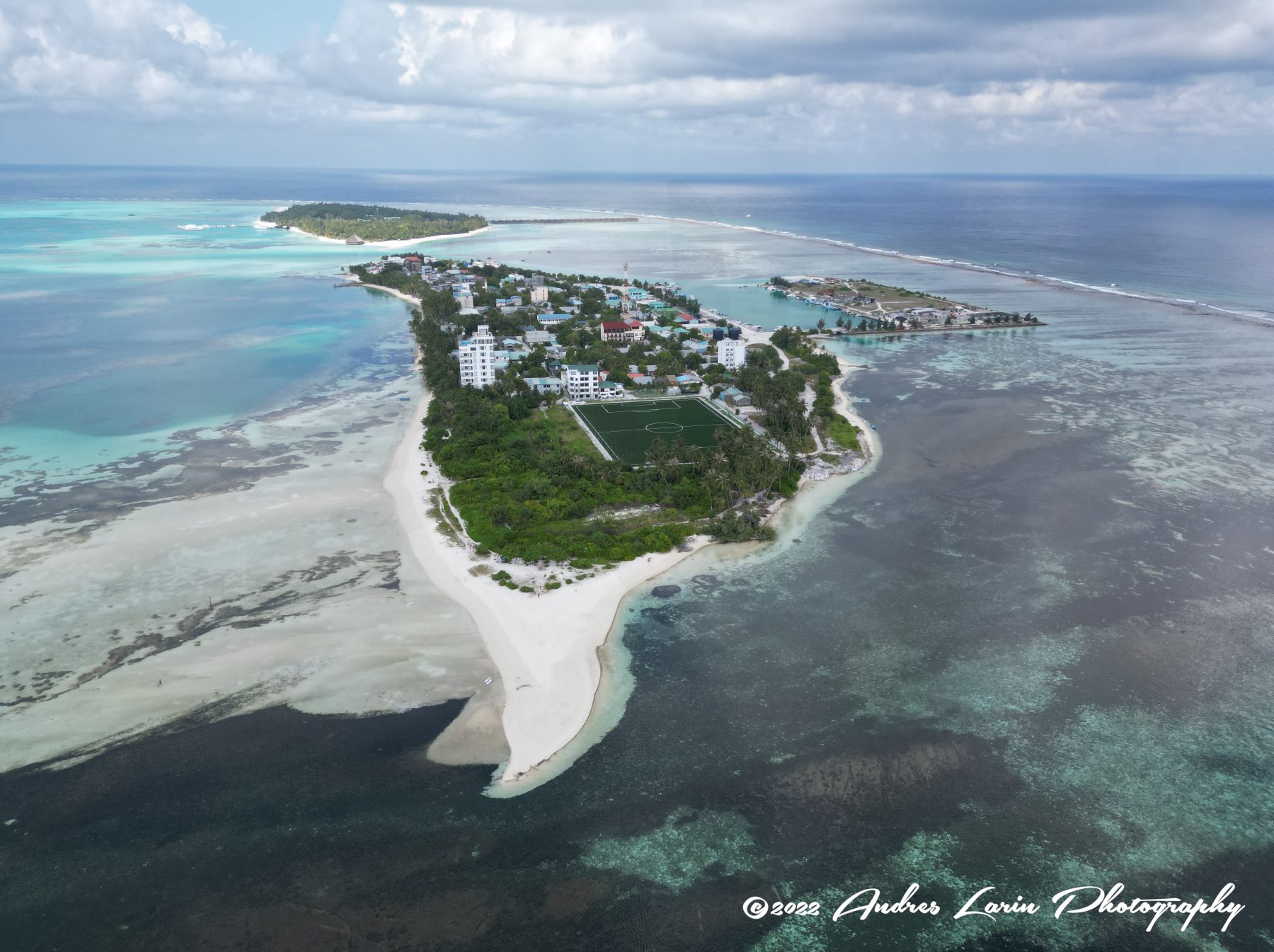
The island measures barely 800 metres by 500 metres, so almost everything — the harbour, the village, the guesthouse strip and the beaches — is within a short walk. Mathiveri sits in the same atoll as Rasdhoo (the atoll capital, known for hammerhead shark diving) and Ukulhas (known for its house reef and tidy eco-conscious village), and it's often visited as part of a wider North Ari island-hopping trip rather than as a single-island headline destination in its own right.
Mathiveri suits budget-conscious divers, snorkelers and travelers who want a genuinely quiet, low-tourism local island and don't mind that the restaurant scene, activity list and online information about the place are all noticeably thinner than on the Maldives' more established local islands. It is not the island to pick if you're chasing whale sharks (those are on the other side of Ari Atoll, in South Ari) or if you want a wide choice of places to eat and things to book each evening.
Mathiveri at a Glance
| Information | Details |
|---|---|
| Island | Mathiveri |
| Atoll | Alif Alif (North Ari) Atoll |
| Island Type | Local (inhabited) island |
| Distance from Malé | ~84.6 km (46 nautical miles) west |
| Distance from Velana International Airport | ~85 km by sea (airport is adjacent to Malé) |
| Approximate Island Size | ~0.775 km long, ~0.475 km wide |
| Population | 878 residents (2022 census); some 2025–2026 estimates put it closer to 1,000+ |
| Transfer Options | Shared speedboat, private speedboat charter, indirect public ferry, seaplane + boat transfer via a nearby resort |
| Speedboat Duration | ~2 hours from Malé/airport |
| Public Ferry Duration | No direct route; indirect via Rasdhoo/Ukulhas, roughly 5–6 hours, not practical for most visitors |
| Domestic Flight | None — North Ari Atoll has no domestic airport of its own |
| Bikini Beach | Yes — a designated stretch near the guesthouse strip |
| House Reef | Modest but swimmable; the bigger draws are a dedicated stingray spot and a free offshore sandbank |
| Diving | Good — North Ari Atoll sites nearby, including a shark/reef site and hammerhead diving near Rasdhoo |
| Snorkeling | Fair to good — mix of shore snorkeling and boat-based reef/sandbank trips |
| Alcohol | Not sold on the island (standard rule for inhabited local islands) |
| ATM | Yes — Bank of Maldives (BML) self-service banking centre (a relatively recent addition — some older guides state there is none) |
| Pharmacy / Medical Facility | Small health centre and pharmacy in the village |
| Restaurants | A handful of small cafés and restaurants — noticeably fewer than on larger tourist local islands |
| Recommended Stay | 2–4 nights |
| Best For | Diving, quiet beach time, stingray spotting, budget travelers wanting a genuinely low-key island |
| Budget Level | Budget |
Where Is Mathiveri?
Mathiveri lies in Alif Alif Atoll, the administrative division most commonly marketed to travelers as North Ari Atoll, roughly 85 km west of Malé and Velana International Airport. It's one of eight inhabited islands in the atoll, alongside the atoll capital Rasdhoo, the eco-conscious Ukulhas, the agricultural island of Thoddoo, and smaller islands such as Feridhoo, Maalhos, Himandhoo and Bodufolhudhoo.
Unlike South Ari Atoll (home to Dhigurah and the South Ari Marine Protected Area), North Ari Atoll doesn't have its own domestic airport — Rasdhoo, Ukulhas and Mathiveri are all reached from Malé by sea, or via a seaplane transfer to one of the nearby resort islands. Several North Ari resorts, including Nika Island Resort, sit close to Mathiveri, and the atoll's local islands are often combined into a single island-hopping trip using the inter-island public ferry loop.
Why Visit Mathiveri?
Mathiveri's case for a visit is quieter and more modest than the Maldives' best-known local islands, and that's arguably the point. It's a genuine working fishing village rather than a place that has built itself around tourism: a small, walkable island with a dedicated stingray-watching beach, a free sandbank (Mathiveri Finolhu) just offshore that doesn't charge an entry fee the way some islands' sandbanks do, and a shallow shipwreck close enough to shore for casual divers to explore. North Ari Atoll's wider dive scene — including hammerhead shark diving near Rasdhoo and manta ray sites scattered through the atoll — is also within reach by boat.
The trade-off is that Mathiveri is thinly documented and thinly built-out for tourism compared to Maafushi, Dhigurah or even its atoll neighbor Ukulhas. Independent, verifiable information online is sparse — restaurant listings, exact guesthouse counts and even basic amenities (like whether an ATM exists) vary between sources, and the island supports only a handful of guesthouses and eateries rather than a full tourist strip. This is not the island for travelers who want lots of choice on the ground or a well-trodden path with established reviews for every activity.
It's also worth being direct about one common point of confusion: Mathiveri is not a whale shark island. The Maldives' reliable, near-year-round whale shark viewing is centered on the South Ari Marine Protected Area, on the opposite end of Ari Atoll near Dhigurah and Maamigili — a considerable boat distance from North Ari that isn't a realistic day-trip from Mathiveri. If whale sharks are the priority, a South Ari island is the better choice; Mathiveri's marine strengths lie elsewhere (manta rays, reef sharks, stingrays and North Ari's reef diving).
Things to Do in Mathiveri
Bikini Beach
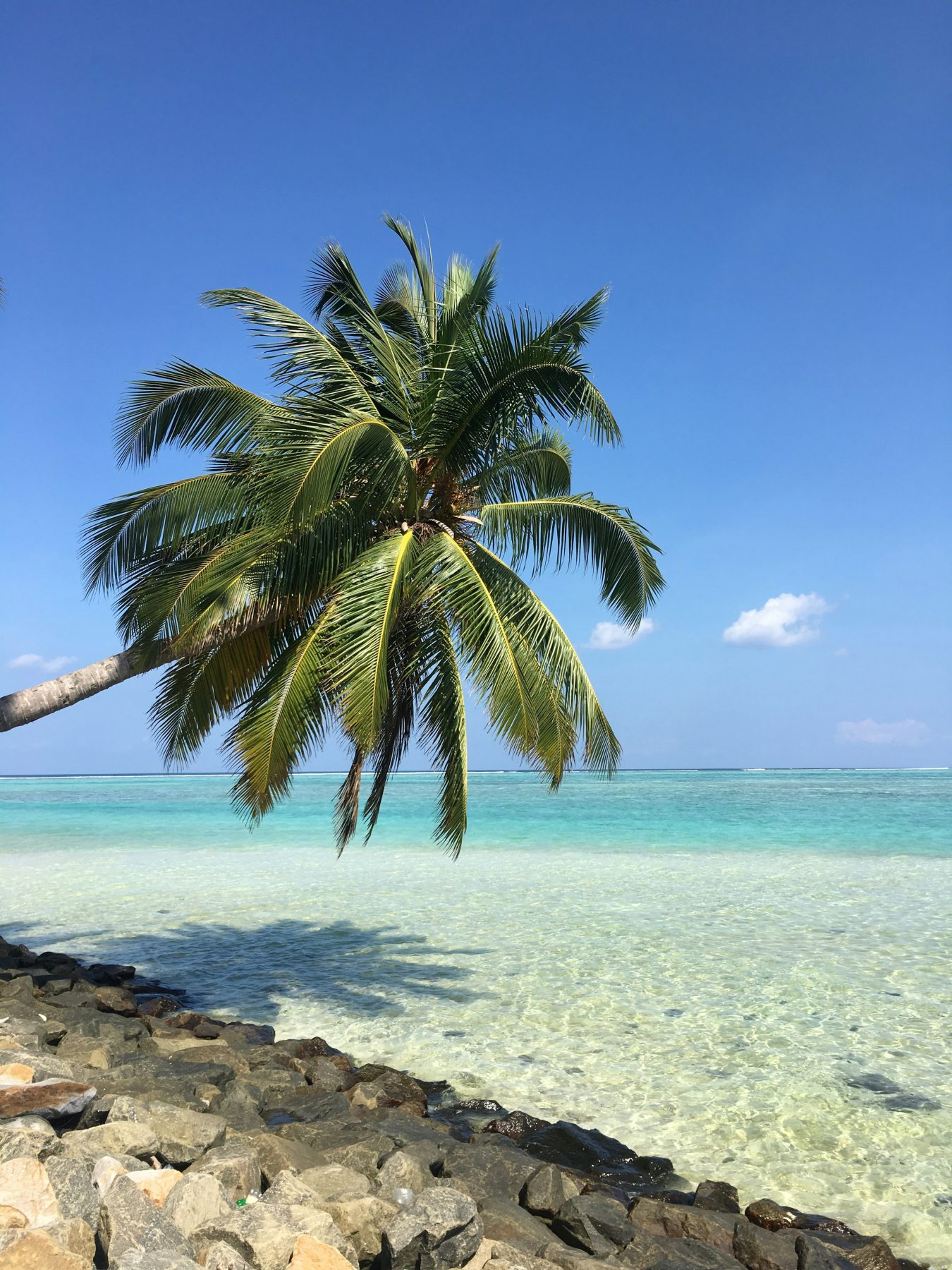
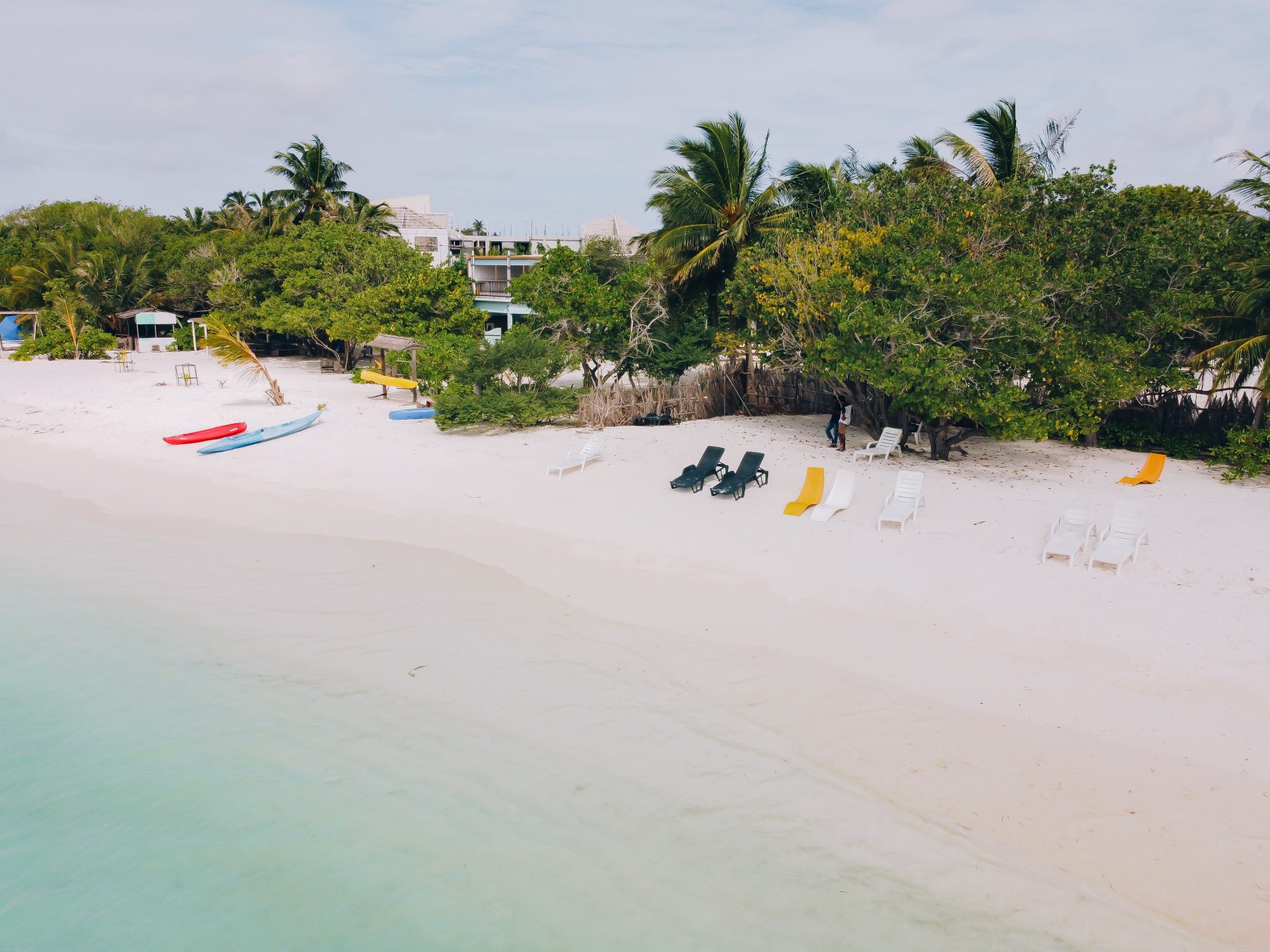
Mathiveri's designated Bikini Beach sits near the island's guesthouse strip, a short walk from most accommodation, with white sand and a shallow lagoon. As with all Maldives local islands, swimwear beyond conservative styles is only permitted within this designated zone and on the offshore sandbank — elsewhere on the island, modest dress is expected.
Snorkeling
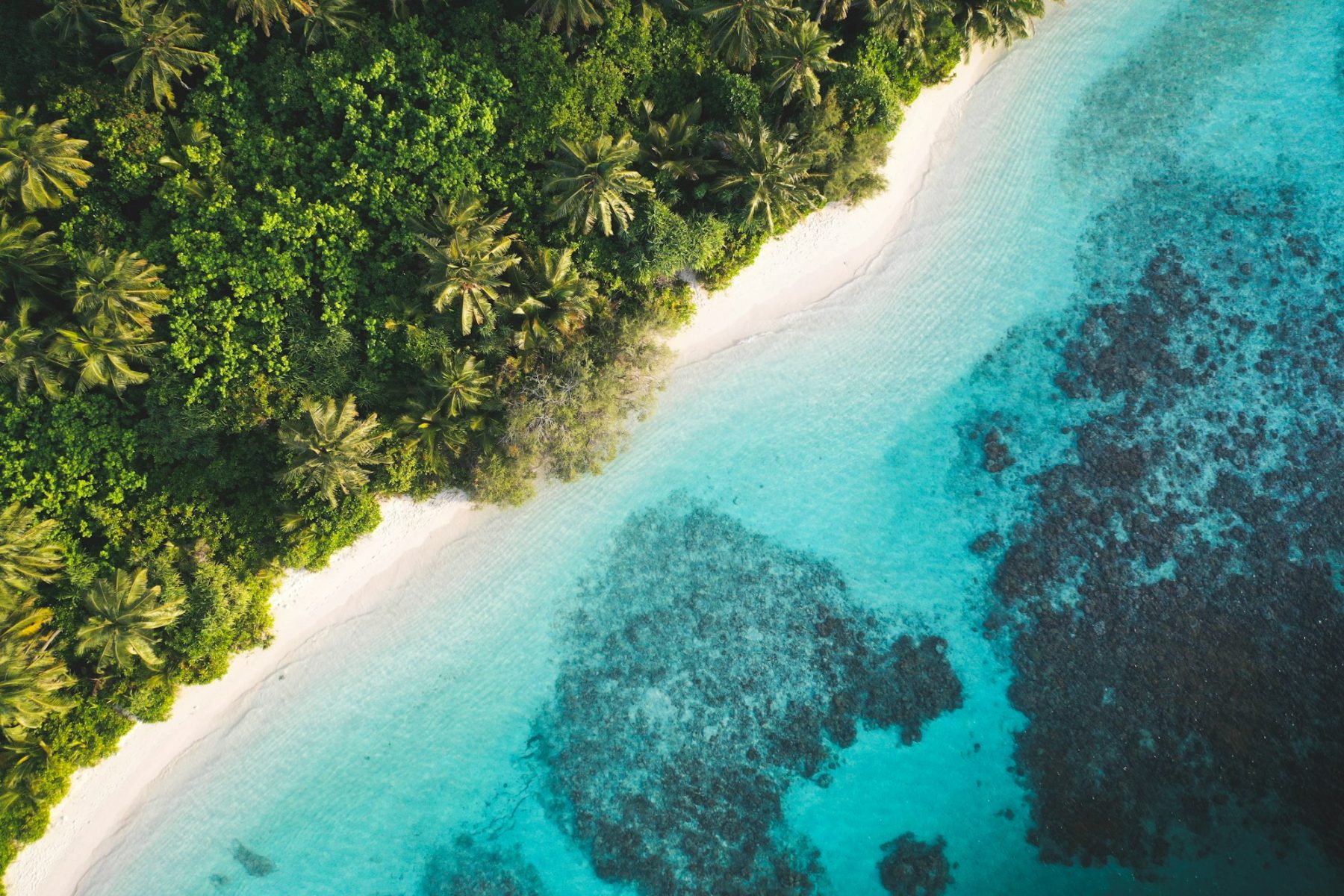
Mathiveri's house reef is modest rather than a standout, but casual snorkeling is possible directly from Bikini Beach and around the Mathiveri Finolhu sandbank, particularly around tidal changes. For better reef life, guesthouses run boat-based snorkeling trips ("snorkeling safaris") to nearby reefs and channels within North Ari Atoll, where sightings can include reef sharks, rays and healthy coral. Currents around the sandbank and outer reef can be noticeable, so weaker swimmers should stick to guided trips or the sheltered lagoon.
Diving
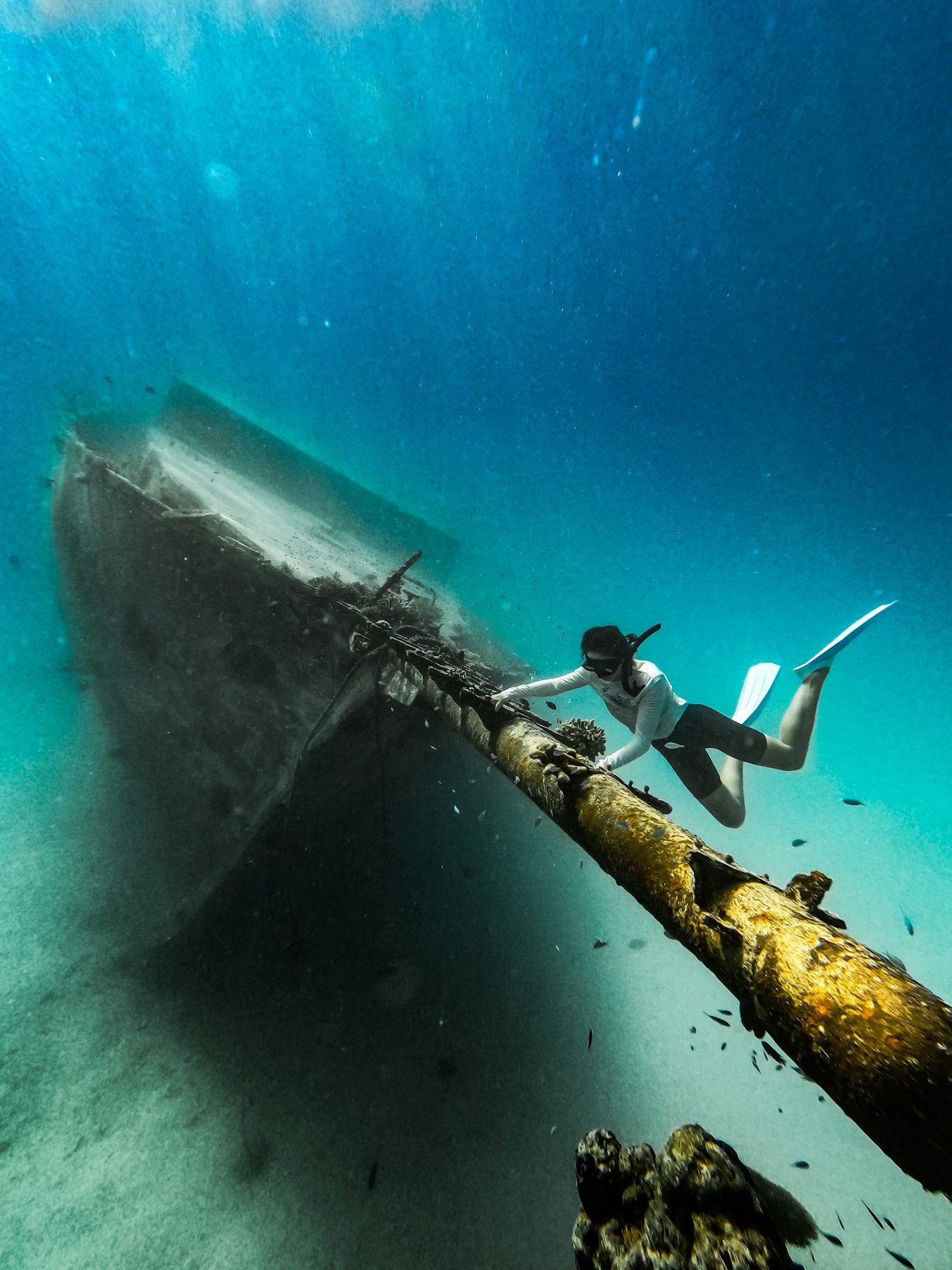
Diving is one of Mathiveri's stronger, if lower-profile, attractions. The island has its own in-lagoon coral gardens at roughly 3–18 metres suited to newer divers, plus a shallow shipwreck (around 4–10 metres) close to shore that has developed into an artificial reef. Further afield, North Ari Atoll's better-known sites are reachable by dive boat, including Maaya Thila — a well-known shark and reef site — and Rasdhoo Madivaru (Hammerhead Point), one of the Maldives' most reliable spots for scalloped hammerhead sharks, though that site is more commonly dived by liveaboards and experienced divers than as a casual day trip. At least two dive centers have operated on the island in recent years — Elite Divers and Dive Club Buoyancy — so it's worth comparing both for current pricing, schedules and course options rather than assuming only one option exists.
Sandbank Trips
Mathiveri Finolhu, the sandbank opposite Bikini Beach, is reachable by a short swim, kayak or boat ride and — unlike some Maldives islands that charge sandbank entry fees — is reported as free to visit. It's the easiest half-day outing on the island and a good spot for photos and quiet swimming away from the village.
Dolphin Cruises
Sunset or morning dolphin-watching trips are offered by guesthouses as a low-effort excursion, typically lasting a few hours, with a reasonable chance of spotting spinner dolphins in the channels around North Ari Atoll — though as with all wildlife trips, sightings are never guaranteed.
Manta Ray Trips
North Ari Atoll has several recognized manta ray sites, and guesthouse-run snorkeling and diving trips to nearby manta points are offered seasonally. Reef manta rays in the Maldives generally follow the monsoon pattern — more likely on the atoll's eastern side from roughly May to November and the western side from December to April — so ask your guesthouse or dive center about current conditions and site choice before booking.
Fishing
Night and sunset reef fishing trips using traditional hand-line methods are commonly arranged through guesthouses, sometimes combined with a beach barbecue of the catch.
Water Sports
At least one operator on the island, VitaminSea Sports, has offered motorised water sports such as jet skiing, alongside more common options like kayaking to the sandbank. Availability and operators can change, so confirm current options with your guesthouse.
Local Island Experience
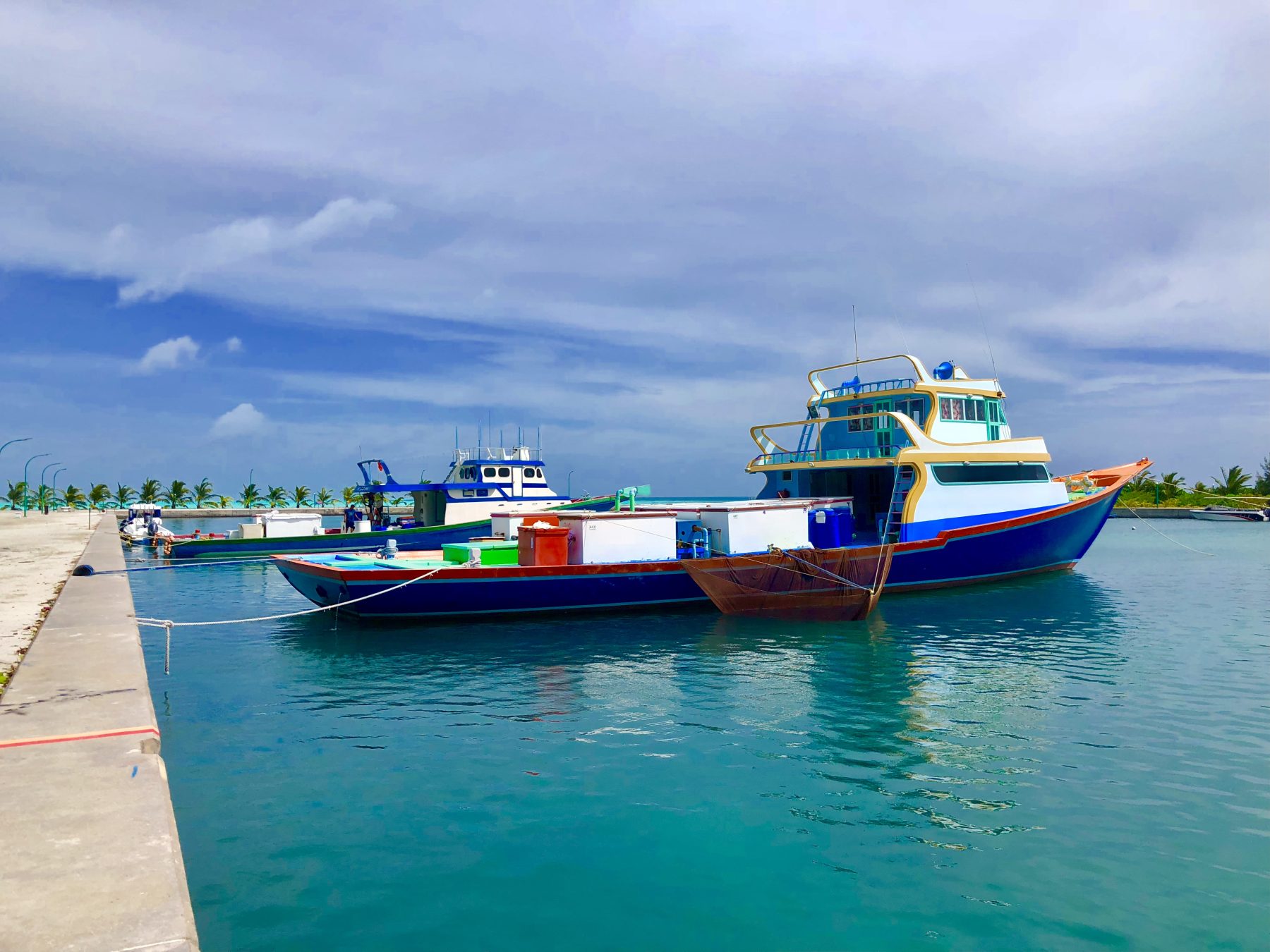
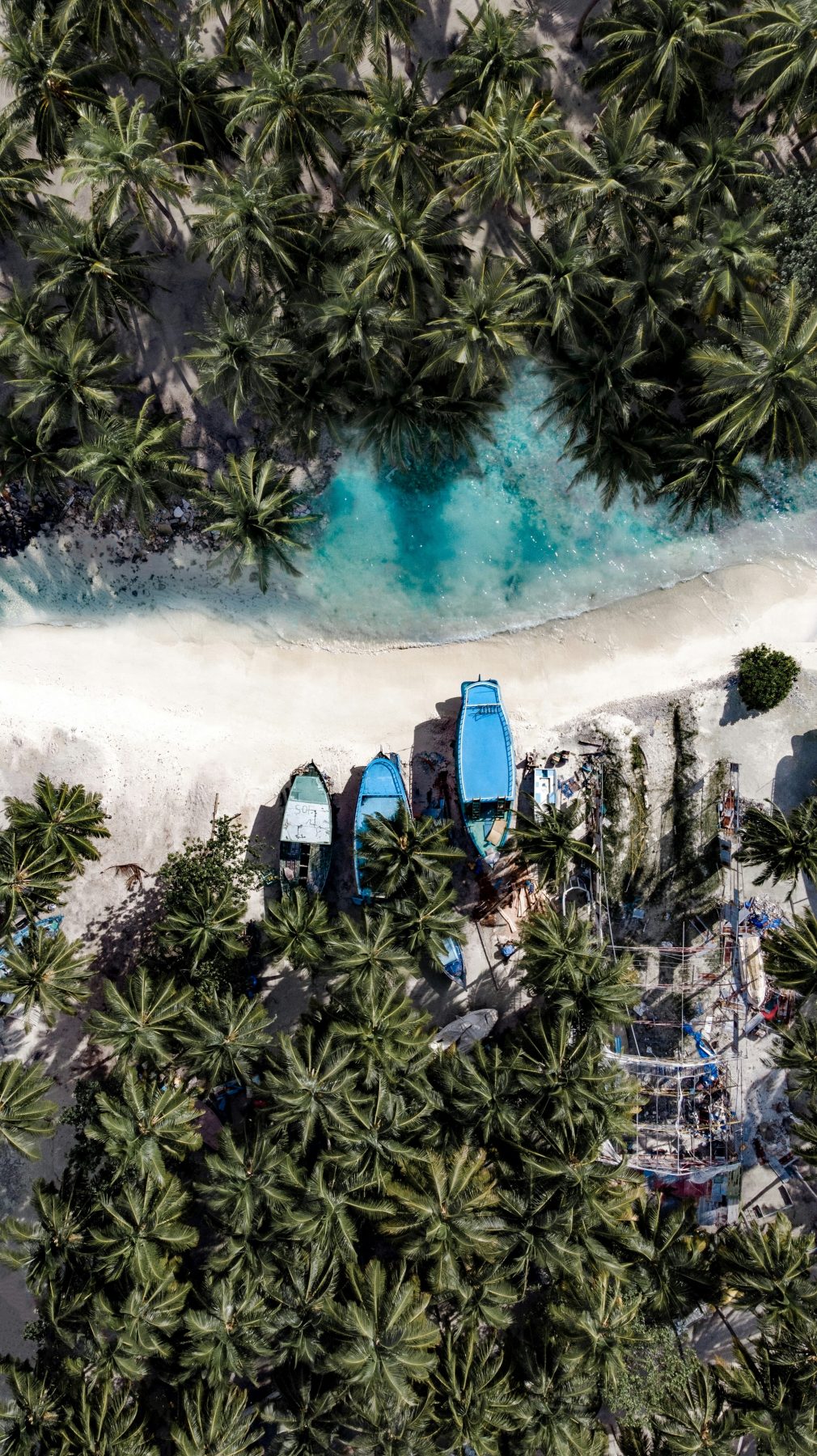
Mathiveri is a small, genuine fishing community with a school, mosque, health centre, a few mini-marts and a bakery. Walking through the village — which takes only a few minutes given the island's size — offers an unpolished look at everyday local-island life. Visitors are asked to dress modestly (covering shoulders and knees) outside the designated tourist beach areas.
Sunset and Sunrise Spots
The harbour area is a popular, easy spot for evening views back over the lagoon, while Bikini Beach and the Mathiveri Finolhu sandbank offer open water views suited to both sunrise and sunset depending on where you're staying.
Beaches in Mathiveri
Mathiveri has three distinct beach areas rather than one long stretch. Bikini Beach, near the guesthouses, is the main tourist swimming spot. Stingray Beach is a smaller, dedicated area where stingrays (and occasionally small sharks) gather close to shore, best visited earlier in the day; it's one of the more distinctive, low-effort wildlife spots among Maldives local islands, since it doesn't require booking a boat trip. The rest of the shoreline is the local/public beach, where modest swimwear is expected in line with rules on all inhabited Maldivian islands.
Just offshore, the Mathiveri Finolhu sandbank adds a second swimming and sunbathing spot reachable by a short swim or boat ride. As with any low-lying Maldives island, conditions and sand position can shift seasonally with current and swell — check with your guesthouse for a current update if beach conditions are important to your trip.
How to Get to Mathiveri
There is no direct public ferry to Mathiveri, so most visitors arrive by shared speedboat. A seaplane transfer via a nearby resort island exists but is a costly, minority option rather than a standard route.
Speedboat
Shared speedboats run daily between Malé/Velana International Airport and Mathiveri, most commonly reported with two departures a day (around mid-morning and mid-afternoon, with an earlier Friday departure) and a crossing time of about two hours. Reported one-way fares are around $50 per person, with advance booking (several days ahead) recommended, especially in high season. Exact times and operators — sources mention Coral Speed Boat and Nevi Speed Boat among others — should be confirmed directly with your guesthouse, since schedules are not centrally published and can change.
Public Ferry
There is no direct public ferry between Malé and Mathiveri. The public ferry option runs indirectly via other North Ari islands (commonly routed through Rasdhoo and/or Ukulhas), with reported total journey times of roughly 5–6 hours and fares of only a few dollars, on a limited weekly schedule (no Friday service). This is by far the cheapest way to travel but is impractical for most visitors on a tight schedule, and best suited to travelers with flexible time and no same-day connections.
Domestic Flight
North Ari Atoll has no domestic airport of its own, unlike South Ari (Maamigili) or some other atolls, so there is no domestic-flight route to Mathiveri. All practical transfers are by sea, or by seaplane to a nearby resort followed by a boat transfer (see below).
Seaplane + Boat (via a Nearby Resort)
A seaplane transfer to Nika Island Resort, a nearby North Ari resort, followed by a short boat transfer to Mathiveri, is possible but expensive — reported at upwards of $250 per person one-way for the seaplane leg alone, plus the connecting boat. This is a minority option realistically used only by travelers prioritizing speed and willing to pay a significant premium over the shared speedboat.
Private Transfer
Private speedboat charters are available for groups or travelers wanting flexible timing, generally priced for the whole boat rather than per person; one guesthouse's own transfer page quotes roughly $800 one-way for a private boat (for groups of five or more), though this will vary by operator, boat size and demand.
| Transfer | Travel Time | Typical Cost | Best For |
|---|---|---|---|
| Public Ferry (via Rasdhoo/Ukulhas) | ~5–6 hours, indirect | Low (a few dollars) | Budget travelers with flexible time |
| Scheduled Speedboat | ~2 hours | ~$50 per person | Most visitors |
| Private Speedboat | ~2 hours | ~$800+ per boat | Groups, late arrivals, flexibility |
| Seaplane + Boat (via resort) | ~30–45 min total, plus connections | $250+ per person | Travelers prioritizing speed over cost |
Transfer prices and schedules change with the season and operator — always reconfirm with your guesthouse or the transfer company before you travel.
Getting Around Mathiveri
Mathiveri is small enough to walk end to end in a matter of minutes — the harbour, village, guesthouses and both main beaches are all within easy walking distance of each other. There is no practical need for taxis, scooters or bicycle rental on an island this size, though a guesthouse may offer bikes if you prefer.
Best Hotels in Mathiveri
As on most Maldives local islands, accommodation on Mathiveri is guesthouse-style rather than branded hotels — small, independently run properties. Reported rates span a wide range, roughly from the $40s per night at the budget end up to $200+ for the island's highest-end rooms, though pricing should always be checked directly with each property.
Best for Beachfront / Proximity to Bikini Beach
Mathiveri Inn markets itself on being close to Bikini Beach (reportedly a two-minute walk) and is one of the island's more established, higher-rated guesthouses.
Best Mid-Range Options
Mathiveri Thundi Inn and La Pearl Mathiveri are commonly listed mid-range guesthouses, the latter a newer, multi-floor property with a rooftop restaurant.
Higher-End Options
Veli Beach Inn and Riveli Retreat Mathiveri (a small, six-room property linked to one of the island's dive centers) sit toward the upper end of Mathiveri's guesthouse market.
Other Established Options
Sands Inn Mathiveri, Mathiveri Island Guesthouse and Paguro Seaview are additional guesthouses operating on the island. Given how few properties Mathiveri has compared to islands like Maafushi or Dhigurah, it's worth checking availability well ahead of travel.
Check current rates and availability for guesthouses in Mathiveri before you travel — room categories, breakfast inclusion and excursion packages vary by property and season, and published information for this island is thinner than for more established tourist local islands.
Best Guesthouses in Mathiveri
On an island like Mathiveri, "guesthouse" means a small, family- or locally-owned property, generally well under 20 rooms, rather than a resort. Guesthouses here put you inside the local community, share the same beaches and village facilities as residents, and typically include breakfast and can arrange excursions (snorkeling, diving, fishing, sandbank trips) directly. With only a handful of properties on the island — roughly eight to ten by most counts — guesthouses are effectively the only accommodation category available; there is no meaningful branded-hotel or resort presence on Mathiveri itself (the nearby Nika Island Resort is a separate, resort-island property, not on Mathiveri).
Restaurants and Food
Mathiveri's dining scene is genuinely small — noticeably smaller than islands like Maafushi or Dhigurah — and this is worth setting expectations around rather than glossing over. Reported options include Second Home Restaurant (Indian and seafood dishes), Pizza Palace, Cafe Palato (Italian-leaning menu, also local and Sri Lankan-style dishes), Koba Chai, Mosu Kitchen, Mathiveri Bobo Bohthalo Restaurant, Malaafaiy Restaurant and Lemon Drop. Names, hours and even which of these are currently trading can change quickly on an island this size, so confirm current options with your guesthouse — many visitors end up eating most meals at their guesthouse's own restaurant simply because on-the-ground choice is limited.
Traditional Maldivian dishes worth trying while you're on the island include mas huni (shredded smoked tuna with coconut and chili, usually for breakfast), roshi (flatbread), garudhiya (clear fish broth served with rice, lime and chili), grilled reef fish, tuna curries, and hedhikaa (Maldivian short eats/snacks).
Diving in Mathiveri
Mathiveri offers a genuine, if under-the-radar, base for North Ari Atoll diving. In-lagoon coral gardens at roughly 3–18 metres suit newer divers, and a shallow shipwreck close to the island (around 4–10 metres) makes for an easy, atmospheric dive that has become an artificial reef over time. For more experienced divers, boat trips reach well-known North Ari sites such as Maaya Thila, a noted shark and reef dive, and Rasdhoo Madivaru (Hammerhead Point), one of the Maldives' most consistent locations for schooling scalloped hammerhead sharks — though this exposed site is more typically dived from liveaboards or by experienced divers than as a routine local-island excursion. Manta ray cleaning stations are also scattered through the atoll and visited seasonally. At least two dive operators — Elite Divers and Dive Club Buoyancy — have run out of Mathiveri; compare current course options, schedules and pricing directly, since one older source described the island as having only a single, higher-priced operator, and that appears to be outdated.
Snorkeling in Mathiveri
Casual snorkeling is possible directly from Bikini Beach and around the Mathiveri Finolhu sandbank, particularly at favorable tides, making Mathiveri a bit more walk-in-friendly for snorkelers than islands with a weaker house reef. For richer marine life — turtles, reef sharks, rays and healthier coral — guesthouse-run boat trips to nearby reefs and channels are the better option. Currents around the sandbank and outer reef edges can be noticeable, so less confident swimmers should favor guided trips or the sheltered lagoon near the beach.
Marine Life Around Mathiveri
Visitors may have the opportunity to see stingrays (notably at the island's dedicated Stingray Beach), manta rays, reef sharks (including occasional hammerhead sharks on dedicated dive trips near Rasdhoo), turtles, spinner dolphins, and a wide range of tropical reef fish on trips around Mathiveri and the wider North Ari Atoll. Sightings of any specific species are never guaranteed, as this is wild marine life in open water rather than a managed encounter — and, notably, whale sharks are not a realistic expectation here, since the Maldives' reliable whale shark zone is in South Ari Atoll, a considerable distance away.
Best Time to Visit Mathiveri
Dry Season (December–April)
Generally drier, sunnier and calmer seas, making this the peak season for beach time and boat excursions — also the busiest and most expensive period for guesthouses. Some guides specifically recommend November–April as the ideal window.
Wet / Southwest Monsoon (May–November)
More rain and occasional rougher seas, though sunny days are still common. This season can bring lower guesthouse rates and fewer visitors, and reef manta rays are more often reported on the atoll's eastern side during these months.
As with the rest of the Maldives, weather can vary within any season, and short rain showers can occur even in the dry months.
How Many Days Do You Need?
2 Nights
Enough for a sandbank trip, some beach and stingray-spotting time, and a walk through the village — a reasonable minimum given the roughly two-hour transfer each way.
3–4 Nights
The realistic sweet spot for most visitors: time for a dive or two, a snorkeling or dolphin trip, the sandbank, and unhurried beach days without feeling rushed.
5+ Nights
Worth considering only for divers wanting to work through multiple North Ari sites at a relaxed pace, or travelers deliberately looking for an extended, very quiet stay — Mathiveri's shorter activity list means most visitors won't need a longer stay than this.
Given the smaller range of activities and dining options compared to islands like Maafushi or Dhigurah, 2–4 nights is a realistic recommendation for most trips.
Sample Mathiveri Itinerary
Day 1
Arrival by speedboat, check in, short walk to orient yourself between the village and the beaches, sunset at the harbour.
Day 2
Morning at Stingray Beach, then a swim or kayak out to the Mathiveri Finolhu sandbank for the afternoon.
Day 3
Dive trip to Maaya Thila or another North Ari site (or a guided snorkeling/reef trip for non-divers), followed by a relaxed evening in the village.
Day 4
Dolphin cruise or fishing trip, dinner at one of the island's small handful of restaurants or your guesthouse, free time before departure.
Mathiveri Budget Guide
| Category | Accommodation | Food | Transfers | Activities |
|---|---|---|---|---|
| Budget Traveler | ~$40–70/night basic guesthouse room | ~$10–20/day at local cafés | Shared speedboat, ~$50 one-way | Group snorkeling/sandbank trips |
| Mid-Range Traveler | ~$70–120/night guesthouse with breakfast | ~$20–35/day mixing local and guesthouse dining | Shared speedboat | Regular diving/excursions |
| Premium Traveler | $150–210+/night higher-end guesthouse room | $35+/day, mostly guesthouse dining | Private speedboat or seaplane transfer | Private charters, more frequent diving |
These figures are estimates built from currently available guesthouse and operator pricing and will vary by season and operator — treat them as a planning starting point, not a quote. Published pricing for Mathiveri specifically is thinner than for more established local islands, so confirm directly with properties before booking.
Local Rules Travelers Should Know
Alcohol
Alcohol is not sold or permitted on Mathiveri, as with all inhabited local islands under Maldivian law. It's available at nearby resorts (such as Nika Island Resort) and on licensed safari/liveaboard boats, but not on the local island itself.
Bikini Rules
Swimwear is restricted to the designated Bikini Beach and the offshore Mathiveri Finolhu sandbank. Elsewhere on the island, including the local/public beach, modest swimwear or cover-ups are expected.
Dress Code
Outside the tourist beach areas, visitors are expected to dress modestly in the village — covering shoulders and knees is a reasonable guideline, particularly near the mosque and residential streets.
Ramadan
During Ramadan, local cafés and restaurants may have reduced hours or close during daylight fasting hours, and visitors are asked to be respectful by avoiding eating, drinking or smoking in public view during the day. Guesthouse dining for tourists generally continues, but confirm arrangements with your accommodation if visiting during this period.
Mosques and Local Community
Mathiveri is a small, close-knit fishing community, smaller than better-known tourist local islands. Visitors are encouraged to be respectful around the mosque and residential areas, keep noise reasonable in the evenings, and remember that most of the island is home to residents, not a resort zone.
Internet, SIM Cards and Connectivity
Dhiraagu and Ooredoo Maldives are the country's two main mobile operators, both offering tourist SIM cards with data packages generally available at Velana International Airport on arrival. Both operators are reported to provide 3G/LTE-type coverage on Mathiveri. Most guesthouses provide Wi-Fi for guests — expect it to be adequate for messaging and browsing rather than guaranteed for heavy streaming or video calls.
Money and ATMs
The local currency is the Maldivian Rufiyaa (MVR), though US dollars are widely accepted by guesthouses and tour operators island-wide. Credit cards are accepted by some guesthouses but not universally, so carrying some cash is recommended. Mathiveri now has a Bank of Maldives (BML) self-service banking centre offering ATM services — note that some older travel guides state the island has no ATM at all, which appears to be outdated given BML's more recent expansion of self-service centres to smaller North Ari islands. Confirm any service charges or card fees with your guesthouse or the bank directly, as these can change.
Health and Safety
Sun exposure and dehydration are the most common issues for visitors — pack reef-safe sunscreen, a hat and drink plenty of water, especially on boat excursions. Take care around coral to avoid reef cuts, and be aware of currents around the sandbank and outer reef, particularly when snorkeling unguided. Mosquito repellent is worth packing for evenings. Mathiveri has a small health centre and pharmacy in the village for minor issues; for anything more serious, expect a transfer to a larger facility in Rasdhoo or Malé. Travel insurance that covers water sports and diving is strongly recommended.
Mathiveri for Different Travelers
Couples
A reasonable fit for couples who want a quiet, unpolished island experience over a curated resort feel, though the limited dining and evening options make it a lower-key choice than islands with more infrastructure.
Families
Workable for families comfortable with a longer boat transfer and a genuinely small local-island setting rather than a resort's kids' club infrastructure; the shallow lagoon at Bikini Beach suits swimming with children.
Solo Travelers
Doable, though with fewer guesthouses and a smaller group-excursion scene than islands like Maafushi or Dhigurah, it may be quieter for meeting other travelers than busier local islands.
Budget Travelers
Good value relative to resorts, with guesthouse rates that can undercut busier islands — though the thinner activity and dining scene should be factored into the overall trip planning.
Divers
A solid, under-the-radar option given access to North Ari Atoll sites including Maaya Thila and (via boat) the Rasdhoo hammerhead site, plus an easy in-island wreck dive.
Snorkelers
Reasonably well suited — Mathiveri is more walk-in-friendly than some local islands thanks to shore snorkeling near Bikini Beach and the sandbank, with boat trips available for better reef life.
Digital Nomads
Not a strong pick — guesthouse Wi-Fi exists but isn't guaranteed to be fast or fully reliable, and the very limited café/restaurant scene offers few alternative places to work from.
Luxury Travelers
Not a match — Mathiveri is a small local island with guesthouse-level accommodation only; travelers wanting five-star service should look at a resort such as nearby Nika Island Resort instead.
Pros and Cons of Mathiveri
Pros
- Genuinely quiet, low-tourism local-island atmosphere
- Free, easily reached offshore sandbank (Mathiveri Finolhu)
- Dedicated stingray-watching beach — no boat trip required
- Good access to North Ari Atoll diving, including hammerhead sharks near Rasdhoo
- Small enough to walk the whole island in minutes
- Reasonable ~2-hour speedboat transfer from Malé
Cons
- Very small restaurant and nightlife scene, even by local-island standards
- Only a handful of guesthouses — book ahead, especially in high season
- No alcohol available on the island
- No practical public ferry option and no domestic airport nearby
- Thinly documented online — planning takes more direct guesthouse contact than for islands like Maafushi
- Not a whale shark destination, despite occasional confusion with South Ari islands
Mathiveri vs Other Maldives Islands
Mathiveri vs Ukulhas
Ukulhas, in the same North Ari Atoll, is known for a genuinely strong, swimmable house reef and a tidy, award-winning eco-conscious village, with a more established guesthouse and restaurant scene than Mathiveri. Mathiveri is quieter and less developed, with its own draws — the stingray beach and free sandbank — but a noticeably smaller range of dining and activity options.
Mathiveri vs Rasdhoo
Rasdhoo is the atoll capital and North Ari's diving hub, best known for reliable hammerhead shark sightings at Madivaru and a larger guesthouse base. Mathiveri sits nearby and can access some of the same dive sites, but has fewer guesthouses and a smaller on-the-ground tourism scene than Rasdhoo.
Mathiveri vs Maafushi
Maafushi, in South Malé Atoll, is far closer to Malé (around 25–30 minutes by speedboat), much busier, and has a far larger choice of guesthouses, restaurants, tour operators and water sports — the default pick for first-time visitors wanting maximum convenience and choice. Mathiveri is further out, far quieter, and better suited to travelers who specifically want a low-key, less commercial local-island experience over convenience and variety.
Is Mathiveri Worth Visiting?
Yes, for a specific kind of traveler — but go in with the right expectations. Mathiveri is worth visiting if you want a genuinely quiet, low-tourism local island with easy access to North Ari Atoll diving, a free sandbank and a dedicated stingray-watching beach, and you don't mind a limited choice of restaurants and a thinner information trail to plan around. It suits budget travelers, divers, snorkelers and couples looking for something calmer than the Maldives' more commercialized local islands.
Travelers chasing whale sharks, a wide restaurant and nightlife scene, or the reassurance of a well-documented, easy-to-plan island should look at South Ari islands like Dhigurah for whale sharks, or a busier, better-established local island like Maafushi or Ukulhas for more on-the-ground choice. For visitors who specifically want a smaller, quieter North Ari base with genuine village character, Mathiveri is a reasonable — if under-the-radar — choice.
Photo Gallery