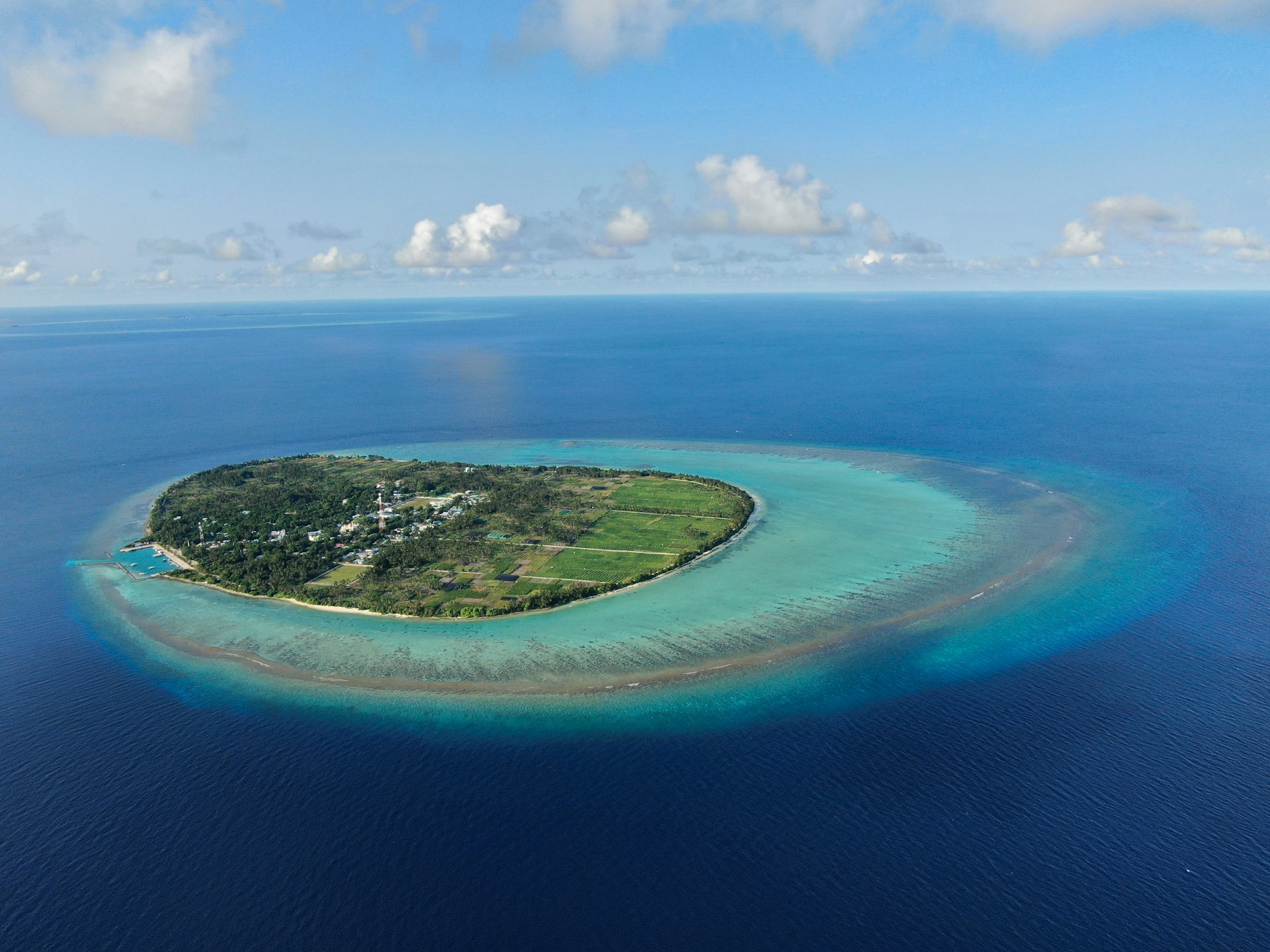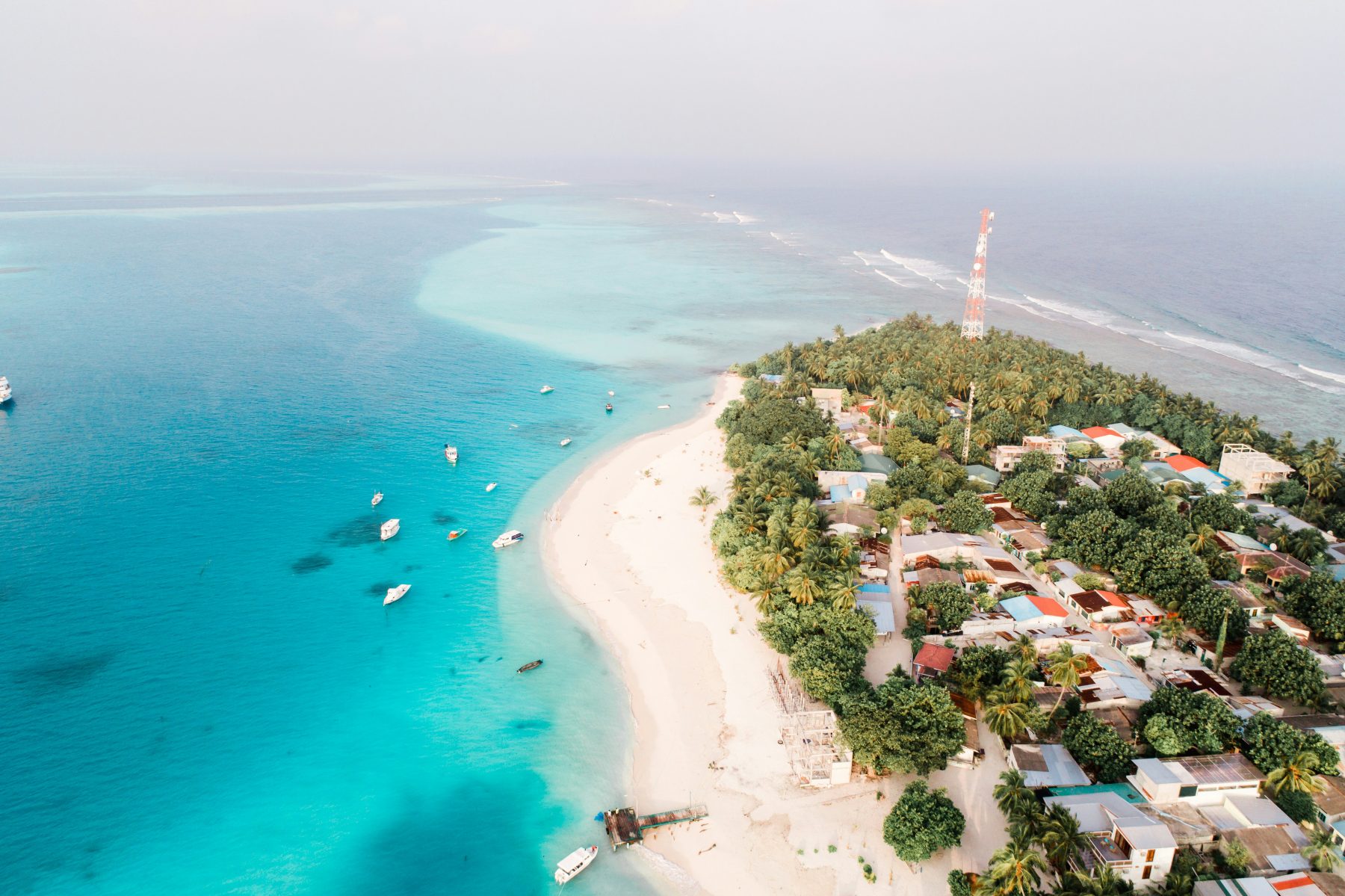
Fulidhoo Maldives is a very small, traditional local island at the northern tip of Vaavu Atoll, roughly 56 km (about 35 miles) north of Malé. It's one of the smallest and quietest inhabited islands in the country's local-island tourism scene, with a population of just 400 people, a single designated Bikini Beach, and a reputation built less on resort-style comforts and more on nurse shark snorkeling, channel diving and a genuinely strong local culture of traditional drumming and dance.
Vaavu Atoll itself is the least populated administrative atoll in the Maldives, and Fulidhoo is one of only five inhabited islands within it. The atoll's channels are famous among divers for nurse sharks, grey reef sharks and, seasonally, manta rays, while Fotteyo — the atoll's outer reef — includes some of the most highly regarded dive sites and the longest unbroken barrier reef in the country. Fulidhoo built its small tourism industry around that marine life and around cultural evenings, rather than around a long beach or a big restaurant scene.
Fulidhoo suits travelers who want an unhurried, low-key, culturally rich local-island experience — divers and snorkelers chasing sharks and rays, and anyone who wants to see traditional Maldivian music performed rather than staged for a resort audience. It is not the right fit for anyone wanting variety: the island can be walked end to end in a few minutes, the restaurant selection is a handful of small cafés, and most visitors find two to three nights is enough before the island's limited activity list starts to repeat itself.
| Information | Details |
|---|---|
| Island | Fulidhoo |
| Atoll | Vaavu Atoll (natural atoll: Felidhu Atoll) |
| Island Type | Local (inhabited) island |
| Distance from Malé | ~56 km (35 miles) north (sources vary slightly, roughly 55.7–57 km) |
| Distance from Velana International Airport | ~56 km by sea (airport is adjacent to Malé) |
| Approximate Island Size | ~0.675 km long, ~0.2 km wide (about 11.3 hectares) |
| Population | 400 residents (2022 census) |
| Transfer Options | Shared speedboat, public ferry, private speedboat charter — no domestic flight option |
| Speedboat Duration | ~70–90 minutes from Malé/airport |
| Public Ferry Duration | ~3.5 hours via Maafushi, limited weekly schedule |
| Domestic Flight | None — no domestic airport serves Vaavu Atoll |
| Bikini Beach | Yes — small designated area on the island's east side |
| House Reef | Modest; most snorkeling and diving happens by boat in the surrounding channels |
| Diving | Excellent channel diving — Fotteyo Kandu, Fotteyo Falhu, nurse shark and grey reef shark sites nearby |
| Snorkeling | Good, mainly via boat trips (nurse sharks, stingrays, reef life) |
| Alcohol | Not sold on the island (standard rule for inhabited local islands) |
| ATM | Yes — Bank of Maldives (BML) self-service ATM (added September 2025) |
| Pharmacy / Medical Facility | Small health centre and pharmacy in the village |
| Restaurants | A handful of small cafés — a few options rather than a full dining scene |
| Recommended Stay | 2–3 nights |
| Best For | Nurse shark snorkeling, diving, traditional culture (boduberu/drumming), budget travelers wanting a quiet, authentic island |
| Budget Level | Budget |
Fulidhoo sits at the northern edge of Vaavu Atoll (administratively "Vaavu," made up of the natural Felidhu Atoll plus the separate Vattaru Reef), roughly 56 km north of Malé and Velana International Airport. Vaavu is the smallest administrative atoll in the Maldives by population — only around 1,600 people live across its five inhabited islands — which is a large part of why it stays quieter and less developed than atolls closer to the main tourist circuit.
It's worth clearing up a naming mix-up early: Fulidhoo is not the same island as Felidhoo, the administrative capital of Vaavu Atoll, which lies a short government-ferry hop away and has its own separate guesthouse scene. Fulidhoo is the atoll's more tourism-developed local island, and this guide covers Fulidhoo specifically. Two resort islands also sit within Vaavu Atoll — Alimatha (Alimathaa Aquatic Resort) and Dhiggiri (now operating as NAKAI Dhiggiri Resort) — both reachable by boat from Fulidhoo and both referenced in this guide only in the context of nearby dive sites, not as accommodation on Fulidhoo itself.
Fulidhoo's case for a visit rests on two things: marine life and culture. Vaavu Atoll's channels are some of the best-regarded nurse shark and reef shark territory in the Maldives, with Shark Point near Fulidhoo and the well-known Alimatha night dive both offering close encounters with nurse sharks in relatively shallow, easy conditions. Add Fotteyo — the atoll's outer barrier reef, the longest unbroken reef in the country and home to Fotteyo Kandu, regularly rated among the Maldives' best dive sites — and Fulidhoo becomes a legitimate small-scale diving base without resort prices attached.
The island's other strength is culture. Several travel guides single out Fulidhoo as one of the best places in the Maldives to experience traditional Maldivian drumming and dance firsthand, with locals reported to host evening performances and invite guests to join in — a more genuine version of what many resorts stage as a scheduled show.
The trade-offs are real and worth stating plainly. Fulidhoo is tiny — about 675 metres long — so once you've done the boat excursions, walked the village, and spent time at Bikini Beach, there isn't much else to fill the days; most visitors are content with two to three nights. The restaurant scene is a handful of small cafés with fairly limited menus, guesthouse choice is far smaller than at bigger local islands like Maafushi or Dhigurah, there is no domestic flight shortcut, and whale sharks — unlike South Ari Atoll islands — are not a realistic drawcard here; sightings in Vaavu Atoll are uncommon and opportunistic rather than a dependable, bookable excursion.
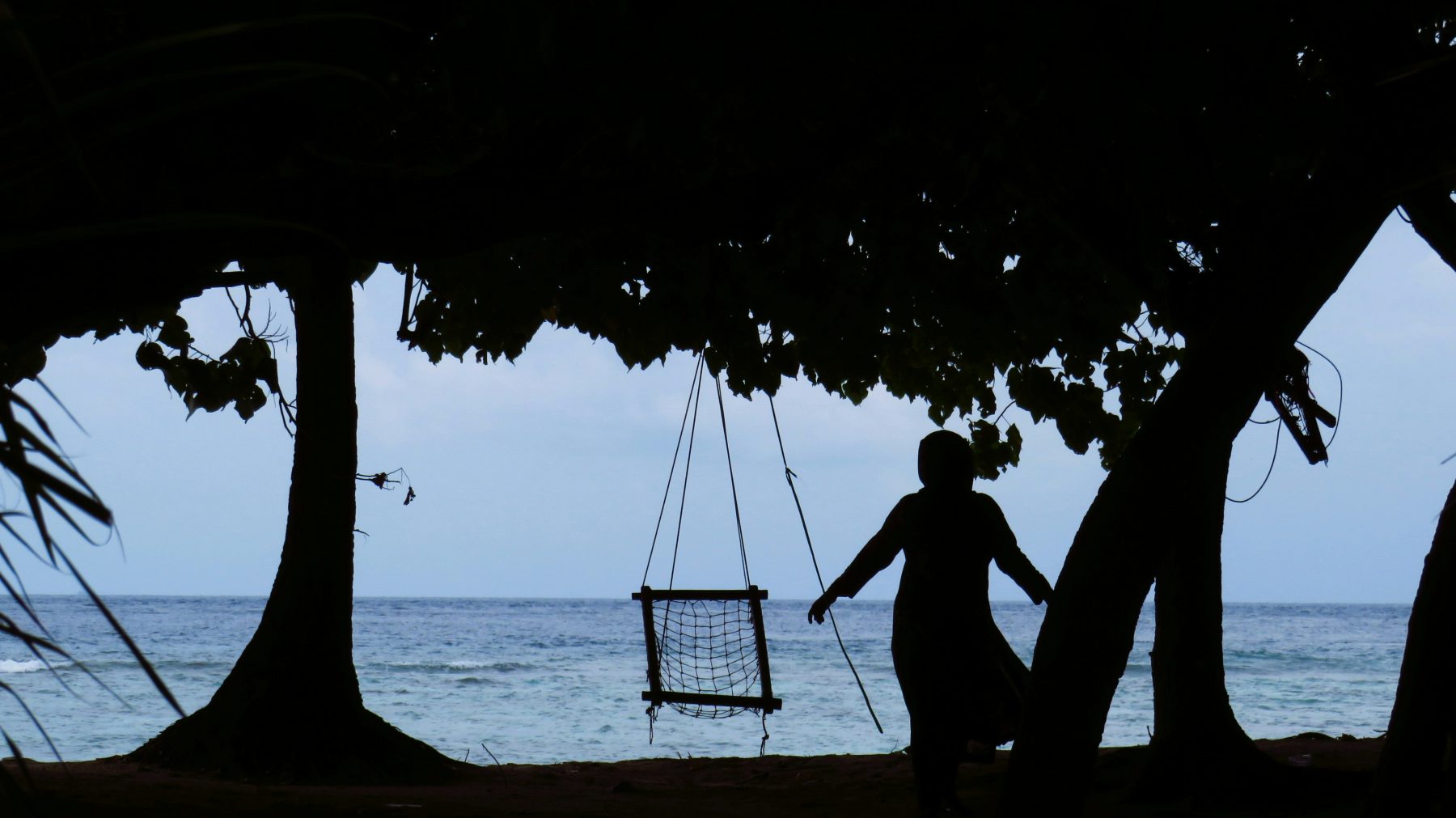
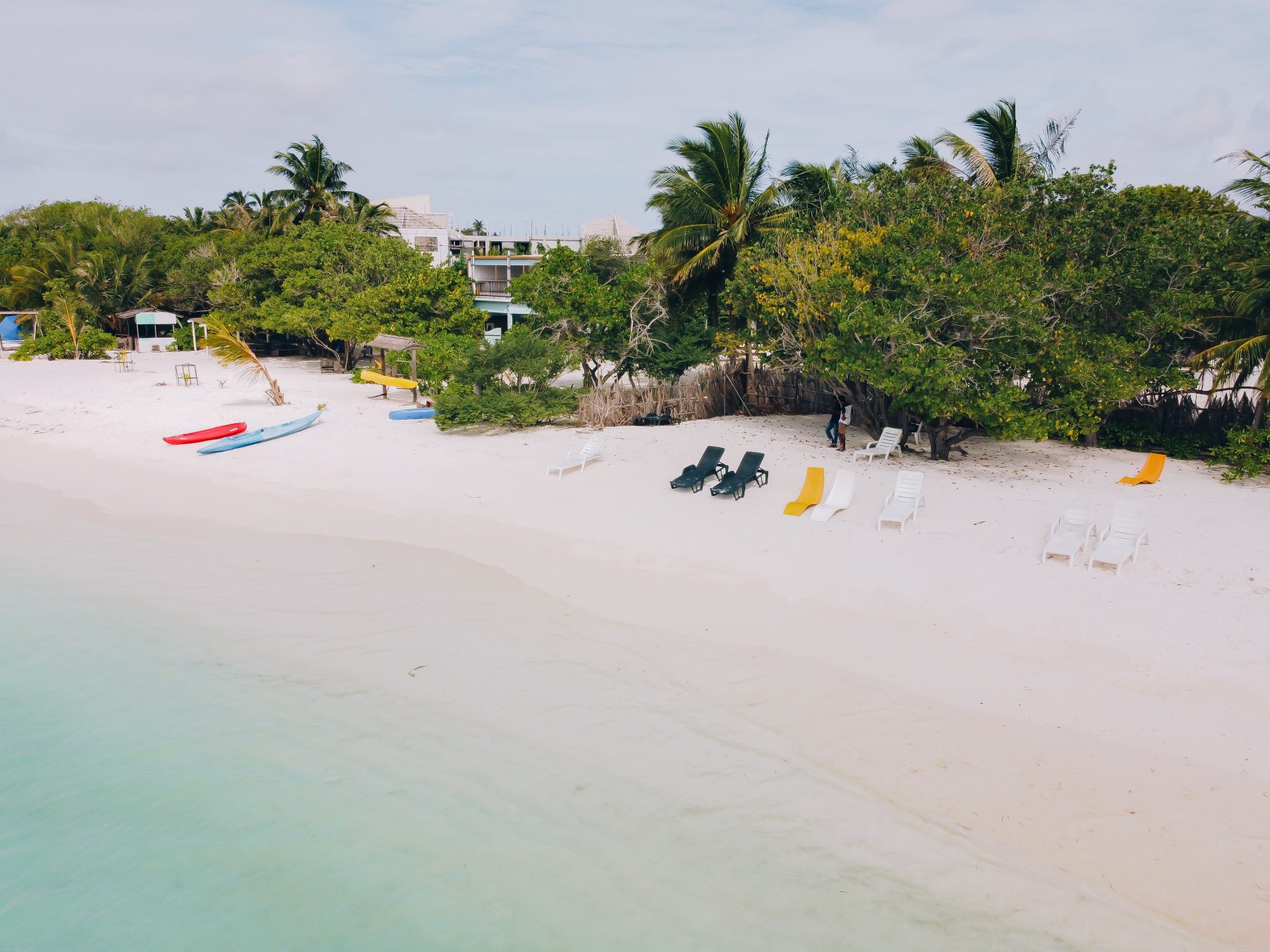
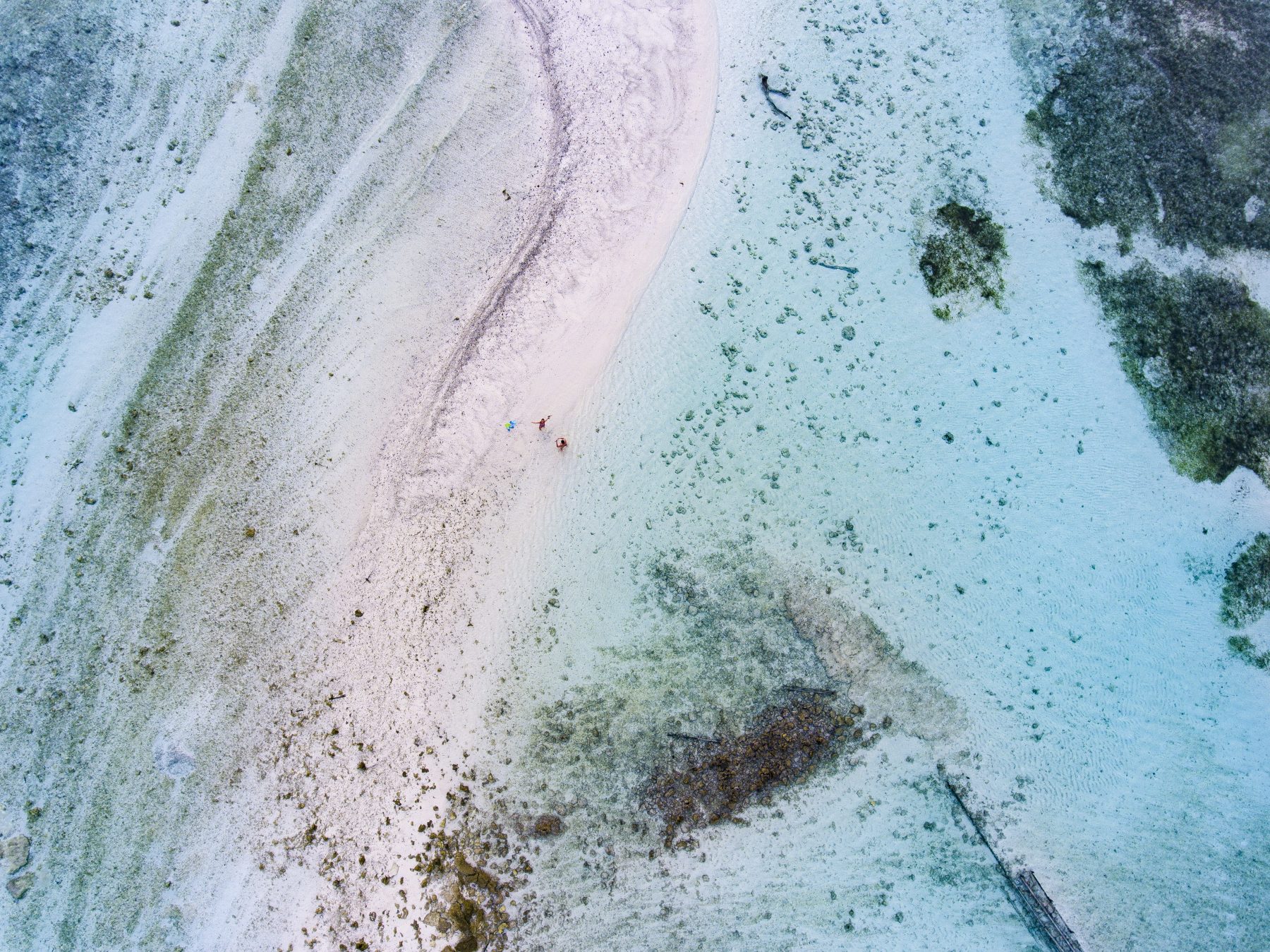
Fulidhoo's designated Bikini Beach sits on the island's east side — a small, unpretentious stretch of sand with calm, shallow water suited to swimming and a popular photo-spot swing. It doesn't have much natural shade and is noticeably smaller than the bikini beaches on bigger local islands, but it's an easy walk from anywhere on the island.
This is Fulidhoo's headline activity. Half-day boat trips head to Shark Point and nearby lagoon areas to snorkel with nurse sharks, giant trevallies and stingrays, often finishing with a stop for dolphins if any are around. Shark Point itself is shallow (roughly 10 metres), sandy-bottomed and largely current-free, making it accessible to snorkelers and freedivers alike, not just certified divers.
Diving is one of Fulidhoo's strongest attractions relative to its size. Fotteyo Kandu is a narrow channel dive with swim-throughs, small caves and overhangs, its drop-off covered in soft coral — considered by many divers among the best sites in the Maldives. Fotteyo Falhu, the atoll's outer barrier reef, is the longest unbroken reef in the country and marks the easternmost point of Maldivian territory. Manta rays are seasonal, generally reported from around May to June, while grey reef sharks, whitetip reef sharks, barracuda and large schools of trevally are more consistent sightings through the rest of the year. The well-known Alimatha night dive, at the nearby resort island of the same name, draws divers specifically to see dozens of nurse sharks feeding after dark. Fulidhoo Dive & Water Sports, a PADI 5-star IDC centre on the island, and Divers Lodge Fulidhoo both run courses and boat dives — compare current pricing and schedules directly with each operator.
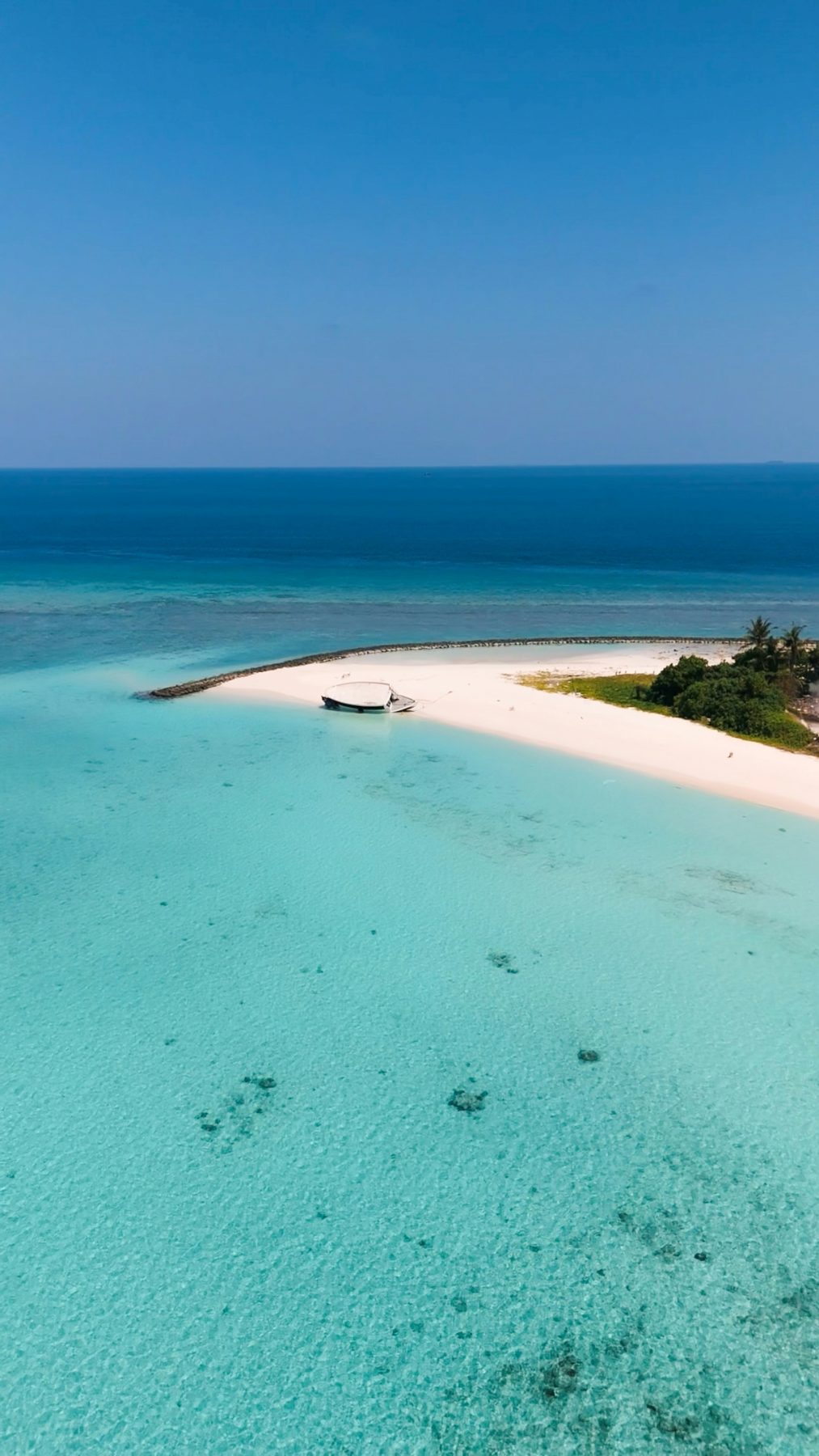
Boat trips to nearby uninhabited islands such as Aarah and Emboodhoo, and to Keyodhoo for its beached shipwreck, are commonly offered by guesthouses as half-day excursions combining swimming, snorkeling and photo stops.
Sunset dolphin-watching trips run through the channels around Vaavu Atoll. Dolphins do turn up reasonably often on these cruises and on shark-snorkeling trips, though — as with any wildlife excursion — sightings are a matter of chance rather than a guarantee.
Unlike islands in South Ari Atoll, Fulidhoo does not have an established whale shark tourism industry. Whale sharks have occasionally been reported in the wider region, but there is no dedicated spotter-boat operation here, and travelers specifically chasing whale sharks should look toward South Ari Atoll islands instead. Manta rays are a more realistic possibility, with a seasonal window (roughly May–June) when they're more commonly seen around Vaavu's channels and cleaning stations — ask your guesthouse or dive centre about current conditions before booking.
Sunset and night handline fishing trips are commonly arranged through guesthouses, in keeping with the island's fishing-based local economy.
Some guesthouses and the island's dive operators offer kayaking, stand-up paddleboarding, jet skiing and, per some listings, kitesurfing — availability is limited and worth confirming directly with your accommodation before you travel.
Fulidhoo's small village is easy to explore on foot, with a mosque, a health centre, small shops, a harbour and a large, well-known banyan tree near the island's centre. The island's biggest cultural draw is its music: guides consistently describe Fulidhoo as one of the best places in the Maldives to experience traditional drumming and dance, with locals reported to host evening performances — sometimes described as boduberu (the "big drum" tradition found across the Maldives), and Wikipedia's island profile specifically credits Fulidhoo with Langiri, a traditional dance accompanied by frame drums called thaara. The two are related but distinct traditions; either way, they point to the same reputation — this is a genuinely strong island for experiencing Maldivian music rather than a resort-staged version of it. As on all inhabited islands, dress modestly outside the designated tourist beach.
The western end of the island is the reported spot for sunset views back over the lagoon.
Fulidhoo's only designated tourist beach is its small Bikini Beach on the east side of the island, with calm, shallow water suitable for swimming and a well-known swing that's become something of a photo landmark. It's considerably smaller and less developed than the bikini beaches on larger local islands like Maafushi or Dhigurah, and there's limited natural shade, so plan accordingly.
Outside the designated zone, the rest of the island's shoreline is a local beach where modest swimwear is expected, in line with rules on all inhabited Maldivian islands. Direct beach snorkeling is modest at best — the island's real marine-life draw is boat-based, out at Shark Point and the surrounding channels rather than off the sand.
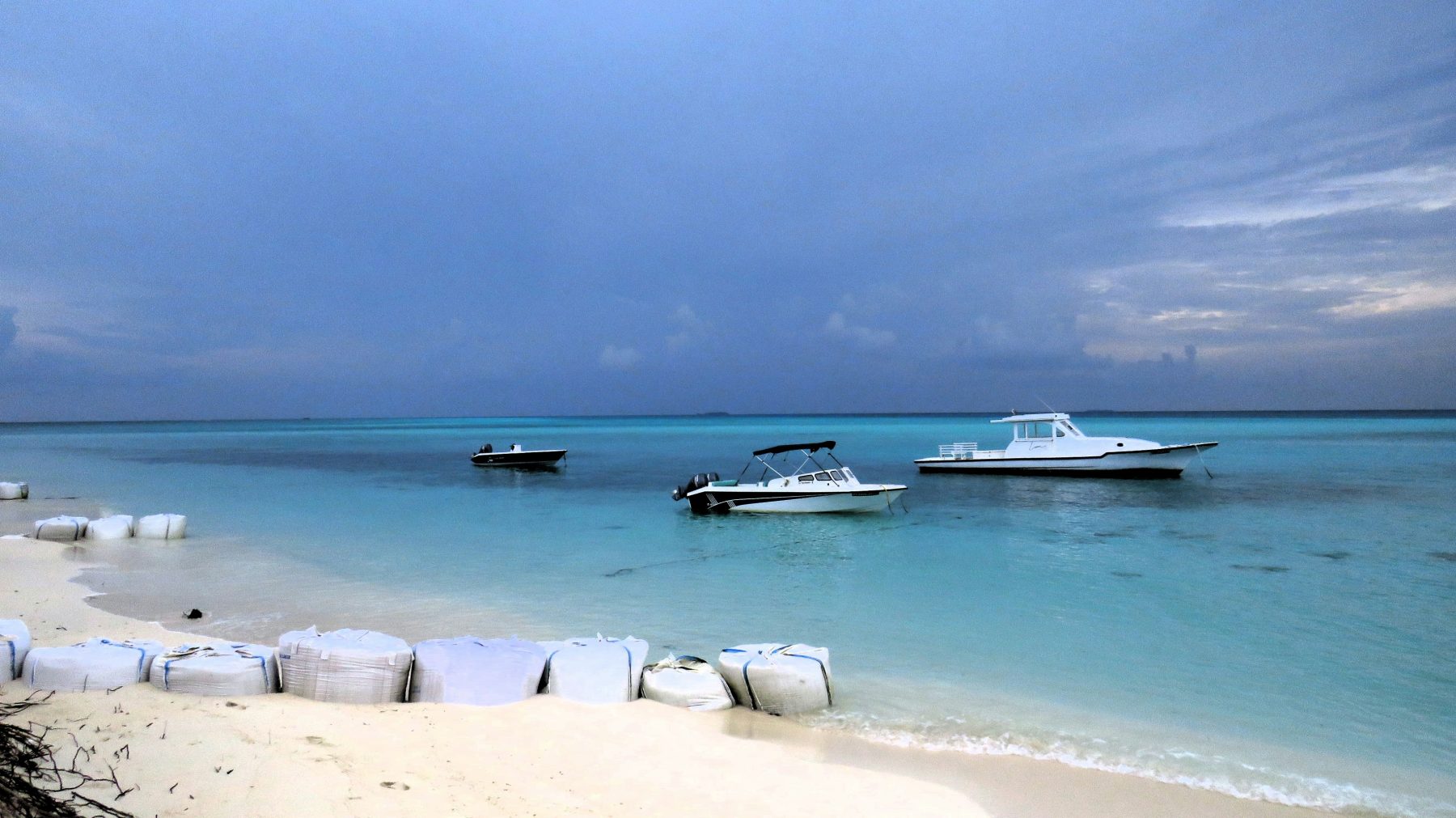
There is no domestic airport in Vaavu Atoll, so every visitor arrives via Velana International Airport and continues to Fulidhoo by sea — either a shared speedboat or a much slower public ferry.
Two operators, Dream Speed and Goma, run shared speedboats on the same schedule between Malé/the airport and Fulidhoo, generally twice daily except Fridays (commonly reported as around 11:00 and 15:00 outbound, with one reduced Friday service). The crossing takes roughly 70–90 minutes, and reported one-way fares are around $40 per person. Departure times reported across sources vary slightly (some references imply a later afternoon departure closer to 16:00), so confirm the current schedule with your guesthouse or the operator directly before booking flights, and avoid landing too late in the day to make the last boat.
A government-run (MTCC) ferry connects Hulhumalé Ferry Terminal in Malé to Fulidhoo three times a week, stopping at Maafushi en route, with journeys reported at around 3.5 hours and a fare of roughly $4–5 one way. Reported schedules run Malé to Fulidhoo on Sunday, Tuesday and Thursday around 10:00, with return sailings Monday, Wednesday and Saturday — no Friday service. This is by far the cheapest way to travel but requires planning your trip around a fixed, limited weekly timetable, so it suits budget travelers with flexible dates more than anyone on a tight schedule.
Not applicable — no domestic airport serves Vaavu Atoll. All travelers fly into Velana International Airport and transfer onward by boat.
Private speedboat charters can be arranged for groups, late arrivals or whenever the shared boat schedule doesn't line up with your flight, typically booked through your guesthouse or a dive centre. No consistently published price list exists for this route — get a specific quote before booking, and expect it to cost meaningfully more than the shared per-person fare.
| Transfer | Travel Time | Typical Cost | Best For |
|---|---|---|---|
| Public Ferry (via Maafushi) | ~3.5 hours | ~$4–5 one-way | Budget travelers with flexible dates |
| Scheduled Speedboat | ~70–90 minutes | ~$40 per person one-way | Most visitors |
| Private Speedboat | ~70–90 minutes | Variable — request a quote | Groups, late arrivals, flexibility |
Transfer prices and schedules change with the season and operator — always reconfirm with your guesthouse or the transfer company before you travel.
Fulidhoo is tiny — about 675 metres long and 200 metres wide — so the entire island, including the village, harbour and Bikini Beach, can be walked in well under fifteen minutes. There is no practical need for bicycles, taxis or scooters here; this is about as compact as inhabited Maldives islands get.
Accommodation on Fulidhoo is entirely guesthouse-style — small, independently run properties rather than hotel chains or resorts, and the total number of properties is noticeably smaller than on bigger local islands. Published rates commonly start from around $45–50 per night at the budget end, with an average closer to $60–100 depending on season, and some higher-rated boutique-style guesthouses priced higher still. Treat these as general ranges pulled from booking-site listings rather than fixed prices — checking directly with each property is essential.
Kinan Retreat and Royal Villa are among the more highly rated properties on the island according to review aggregators, both positioned toward the upper end of Fulidhoo's guesthouse market.
Thundi Sea View (Thundi Guest House), Madi Grand Maldives and Island Break are commonly listed mid-range guesthouses on the island.
Bougainvillea Inn, Seena Inn and Fulidhoo Ihaa Lodge appear among the more affordable listed options.
Luau Beach Inn (adults-only), Fulidhoo La Perla Guest House and Huvan Inn are additional guesthouses operating on the island — check current rates, room types and included excursions directly before booking.
Check current rates and availability for guesthouses in Fulidhoo before you travel — this is a small market with limited room inventory, and popular properties can sell out well ahead of high season.
On an island this small, "guesthouse" is really the only accommodation category that exists — there are no resorts or hotel chains on Fulidhoo itself (the nearby resort islands of Alimatha and Dhiggiri/NAKAI Dhiggiri Resort are separate properties on separate islands, not on Fulidhoo). Guesthouses here are family- or locally-run, typically small in room count, and put visitors directly inside the village and its harbour-front routines. Most can arrange snorkeling, diving and boat excursions directly, which matters more here than on bigger islands since there are fewer independent tour operators to shop between.
Fulidhoo's dining scene is small, in keeping with the island's size — a handful of cafés rather than a full restaurant strip. Names that come up across travel guides and review sites include Kunaa Cafe & Bistro, Faru Cafe, Café De Orzo and Dream Hut Fulidhoo. Menus are generally described as fairly limited — basic fish dishes, sandwiches and some noodle dishes — with fresh juices widely available and, as on every inhabited local island, no alcohol. Given how few venues exist and how quickly small-island cafés can open or close, confirm current options with your guesthouse rather than relying solely on this list.
Traditional Maldivian dishes worth trying while you're on the island include mas huni (shredded smoked tuna with coconut and chili, usually for breakfast), roshi (flatbread), garudhiya (clear fish broth served with rice, lime and chili), grilled reef fish, tuna dishes, and hedhikaa (Maldivian short eats/snacks) — though given the island's small kitchens, availability of any specific dish will vary day to day.
Fulidhoo punches well above its size for diving, thanks to its position at the edge of Vaavu Atoll's channels and the Fotteyo outer reef system. Fotteyo Kandu is a compact channel dive with swim-throughs, caves and overhangs draped in soft coral, regularly cited among the best dive sites in the Maldives. Fotteyo Falhu, the longest unbroken barrier reef in the country, marks the easternmost point of Maldivian territory. Grey reef sharks, whitetip reef sharks, barracuda and large trevally schools are consistent sightings in the channels, with manta rays more likely in the roughly May–June season. The famous Alimatha night dive, at the neighbouring resort island, draws divers for close nurse shark encounters after dark. Two operators run from the island itself — Fulidhoo Dive & Water Sports, a PADI 5-star IDC centre, and Divers Lodge Fulidhoo — each offering different course options and schedules, so compare directly before booking.
As with diving, Fulidhoo's best snorkeling is boat-based rather than a walk-in experience from the beach. The signature trip is a half-day excursion to Shark Point and nearby lagoon areas to snorkel with nurse sharks, giant trevallies and stingrays — shallow, largely current-free conditions that suit snorkelers and freedivers, not just certified divers. Trips to nearby uninhabited islands add reef and sandbank snorkeling to the mix. Dolphins are an occasional bonus sighting on these excursions rather than a guaranteed feature.
Visitors may have the opportunity to see nurse sharks, grey reef sharks, whitetip reef sharks, stingrays, giant trevallies, spinner dolphins, and — seasonally — manta rays on trips around Fulidhoo and the wider Vaavu Atoll. Whale shark sightings are occasionally reported in the region but are uncommon and not the subject of any established tour, unlike islands in South Ari Atoll. As with all wild marine life, no specific sighting on any excursion is ever guaranteed.
Generally drier, sunnier and calmer seas, making this the peak season for beach time and boat excursions — also the busiest and most expensive period for the island's limited guesthouse inventory.
More rain and occasional rougher seas, though sunny days remain common. This period also covers the roughly May–June window when manta ray sightings are more commonly reported around Vaavu's channels, and can bring lower guesthouse rates and fewer visitors.
As with the rest of the Maldives, weather can vary within any season, and short rain showers can occur even in the dry months.
Enough for one nurse shark/stingray snorkeling trip, a walk through the village and some Bikini Beach time — a workable short stopover given the relatively quick speedboat transfer.
The realistic sweet spot for most visitors: time for a snorkeling excursion, a dive or two, a sandbank or dolphin trip, and an evening of traditional music if one is being hosted during your stay.
Only worth considering for divers wanting to cover multiple Vaavu Atoll and Fotteyo sites in depth — several travel guides note that Fulidhoo's very limited activity list can start to feel repetitive beyond about three nights for non-divers.
A stay of 2–3 nights is a reasonable recommendation for most travelers, longer only if diving is the main priority.
Arrival by speedboat, check in, walk the length of the island to get oriented between the village, harbour and Bikini Beach, sunset at the island's western end.
Half-day nurse shark and stingray snorkeling excursion at Shark Point (the main event for most visitors), beach time in the afternoon, evening free to see if a traditional drumming or dance performance is happening in the village.
Dive trip to Fotteyo Kandu or another Vaavu Atoll site (or a snorkeling/reef trip for non-divers), a sandbank or dolphin cruise, dinner at one of the island's small cafés before departure.
| Category | Accommodation | Food | Transfers | Activities |
|---|---|---|---|---|
| Budget Traveler | ~$45–65/night basic guesthouse room | ~$15–25/day at local cafés | Public ferry (~$4–5) or shared speedboat (~$40 one-way) | Group snorkeling/shark trips |
| Mid-Range Traveler | ~$65–100/night guesthouse with breakfast | ~$20–35/day mixing local cafés and guesthouse dining | Shared speedboat | Regular diving/excursions |
| Premium Traveler | $100+/night higher-rated guesthouse room | $35+/day, mostly guesthouse dining given limited café choice | Private speedboat charter | Private boat charters, more frequent diving |
These figures are estimates built from currently available guesthouse and operator pricing and will vary by season and property — treat them as a planning starting point, not a quote. Fulidhoo has a much smaller pool of published pricing data than larger local islands, so confirm actual rates directly with properties before booking.
Alcohol is not sold or permitted on Fulidhoo, as with all inhabited local islands under Maldivian law. It is available at nearby resorts such as Alimatha and Dhiggiri and on licensed safari/liveaboard boats, but not on the local island itself.
Swimwear is restricted to the small designated Bikini Beach on the island's east side. Elsewhere on Fulidhoo, modest swimwear or cover-ups are expected.
Outside the tourist beach, visitors are expected to dress modestly in the village — covering shoulders and knees is a reasonable guideline, particularly near the mosque and residential streets.
During Ramadan, some local cafés may have reduced hours or close during daylight fasting hours, and visitors are asked to be respectful by avoiding eating, drinking or smoking in public view during the day. Confirm dining arrangements with your guesthouse if visiting during this period.
Fulidhoo is an especially small, close-knit fishing community — with only around 400 residents, it's one of the more intimate local islands in the country. Visitors are encouraged to be respectful around the mosque and residential areas, keep noise reasonable in the evenings, and be mindful that most of the island is home to residents going about ordinary life, not a tourist zone.
Dhiraagu and Ooredoo Maldives are the country's two main mobile operators and both offer tourist SIM cards with data packages, generally available at Velana International Airport on arrival. Mobile coverage extends to inhabited islands like Fulidhoo, though speeds can vary on a small, remote island like this. Most guesthouses provide Wi-Fi for guests — expect it to be adequate for messaging and light browsing rather than guaranteed for heavy streaming or video calls.
The local currency is the Maldivian Rufiyaa (MVR), though US dollars are widely accepted by guesthouses and tour operators island-wide. Credit card acceptance is more limited on a small island like Fulidhoo than at bigger local islands, so carrying some cash is recommended. Bank of Maldives (BML) added a self-service ATM on Fulidhoo in September 2025 as part of a nationwide ATM expansion — a recent addition, so it's worth having a cash backup plan in case of any downtime, and confirming with your guesthouse that it's operational before relying on it.
Sun exposure and dehydration are the most common issues for visitors — pack reef-safe sunscreen, a hat and drink plenty of water, especially on boat excursions. Take care around coral and marine life at snorkeling and dive sites, and be aware of currents in Vaavu Atoll's channels, some of which can run strong. Mosquito repellent is worth packing for evenings. Fulidhoo has a small health centre and pharmacy in the village for minor issues; for anything more serious, expect a transfer to a larger facility such as Malé. Travel insurance that covers water sports and diving is strongly recommended, particularly given the island's limited medical infrastructure.
A good fit for couples who want a quiet, low-key island rather than a lively one — sunset walks, boat excursions and a slow pace suit this destination well.
Workable for families comfortable with a very small local-island setting and limited infrastructure; the calm lagoon at Bikini Beach suits swimming with children, but there is little dedicated family activity beyond that.
A solid choice — the small size makes it easy to meet other guesthouse guests, and group excursions (shark snorkeling, diving, boat trips) provide a natural way to socialize.
Good value relative to resorts, and the public ferry option makes Fulidhoo one of the cheaper local islands to reach, provided you can work around its limited weekly schedule.
A strong, somewhat underrated fit, given direct access to Fotteyo Kandu, Fotteyo Falhu and Vaavu Atoll's shark-rich channels without resort pricing.
Well suited, particularly for the shallow, current-free nurse shark and stingray snorkeling at Shark Point, though — as everywhere on this island — expect boat-based rather than walk-in snorkeling.
Not a strong pick. Guesthouse Wi-Fi is variable and the island's tiny size and thin services make it a poor match for anyone needing reliable connectivity for work.
Not a match at all — Fulidhoo has no resort of its own, only small guesthouses. Travelers wanting five-star service should look at Alimatha, Dhiggiri (NAKAI Dhiggiri Resort), or another dedicated resort island instead.
Maafushi is closer to Malé, far busier, and has significantly more guesthouses, restaurants and tour operators competing on price — the better choice for first-timers who want maximum convenience and choice. Fulidhoo is quieter, smaller and more traditional, with a stronger claim to authentic local culture and easier access to nurse shark snorkeling, but a much thinner restaurant and accommodation scene.
Ukulhas is known for a strong house reef swimmable directly from the beach and a tidy, community-oriented village with more dining options each night. Fulidhoo's house reef is weaker and its restaurant scene thinner, but it compensates with genuinely reliable nurse shark encounters and a deeper cultural draw around traditional drumming and dance — travelers wanting quiet, reef-forward beach time may prefer Ukulhas, while those prioritizing shark snorkeling and culture may prefer Fulidhoo.
Dhigurah, in South Ari Atoll, is built around year-round whale shark access and a long, spacious beach, with a considerably larger guesthouse and restaurant scene. Fulidhoo is smaller in every sense — shorter beach, fewer restaurants, fewer guesthouses — but offers a more compact, traditional island experience and dependable nurse shark rather than whale shark encounters. Divers drawn to channel and shark diving specifically may find Fulidhoo just as compelling as Dhigurah, despite the smaller footprint.
Yes, for the right traveler — with realistic expectations about its size. Fulidhoo is worth visiting if reliable nurse shark snorkeling, strong channel diving and a genuinely traditional, low-key local-island atmosphere matter more to you than restaurant variety, guesthouse choice or a long beach. It suits couples, divers, snorkelers, solo travelers and budget travelers well over a short 2–3 night stay.
Travelers who want a wide choice of restaurants and operators on the ground, a longer beach, or whale shark tours should look at a bigger island like Maafushi or a South Ari Atoll island like Dhigurah instead. For divers, snorkelers and culture-focused travelers planning a short, quiet stay, Fulidhoo is one of the most distinctive small local islands in the Maldives.